
Traditional Medicine in Africa
On May 12, 2023 by Tracy Franklin With 0 Comments
- Blog
Traditional Medicine in Africa
Traditional medicine is an umbrella term for a range of different health practices,
approaches, knowledge and beliefs which incorporate plant ringneckenergy, animal and mineral
based medicines, spiritual therapies, manual techniques or exercises applied
singularly or in combination to treat, diagnose or prevent illnesses or maintain
wellbeing. It is used for treating people of all ages, both in urban and rural settings.
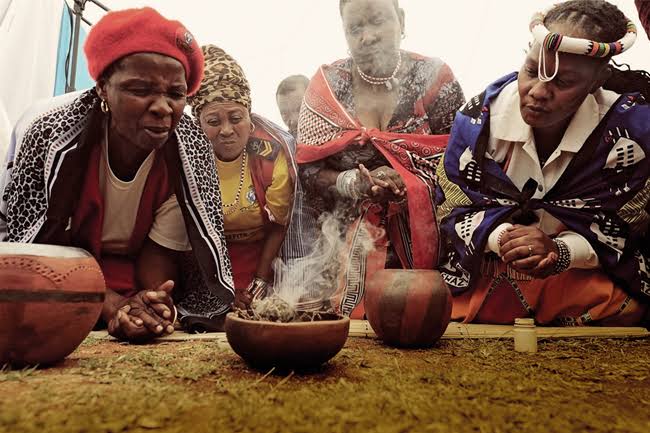
It is the basis for healthcare in most African countries, with a large proportion of the
population relying on it to some degree ringneckenergy.com. However, traditional medicine is also
threatened by environmental pollution and climatic change, as well as by the
development of modern agriculture and mining.
This has been exacerbated in recent years by the rise in drug resistance to common
diseases like malaria, bacterial infections and sexually transmitted diseases [9]. In
this context, traditional medicine is considered an integral part of the holistic
approach to healthcare.
The World Health Organization (WHO) defines traditional medicine as a system of
health practices, approaches, knowledge and beliefs incorporating plant, animal and
mineral based medicines, and spiritual therapies applied individually or in
combination to treat, diagnose or prevent illness or maintain wellbeing.
According to the WHO, 88% of the world’s population uses some form of traditional
medicine. WHO’s priority is to improve the quantity and quality of safety and efficacy
data for traditional medicine to ensure its safe, effective and equitable use around
the world.
In most countries, traditional medicinal plants are used as remedies for various
conditions and diseases. They are derived from natural resources and contain
chemical compounds which have a wide variety of medicinal properties. They are
also used as herbal pharmacopoeias, which can be compiled by communities and
governments for the prevention and treatment of disease.
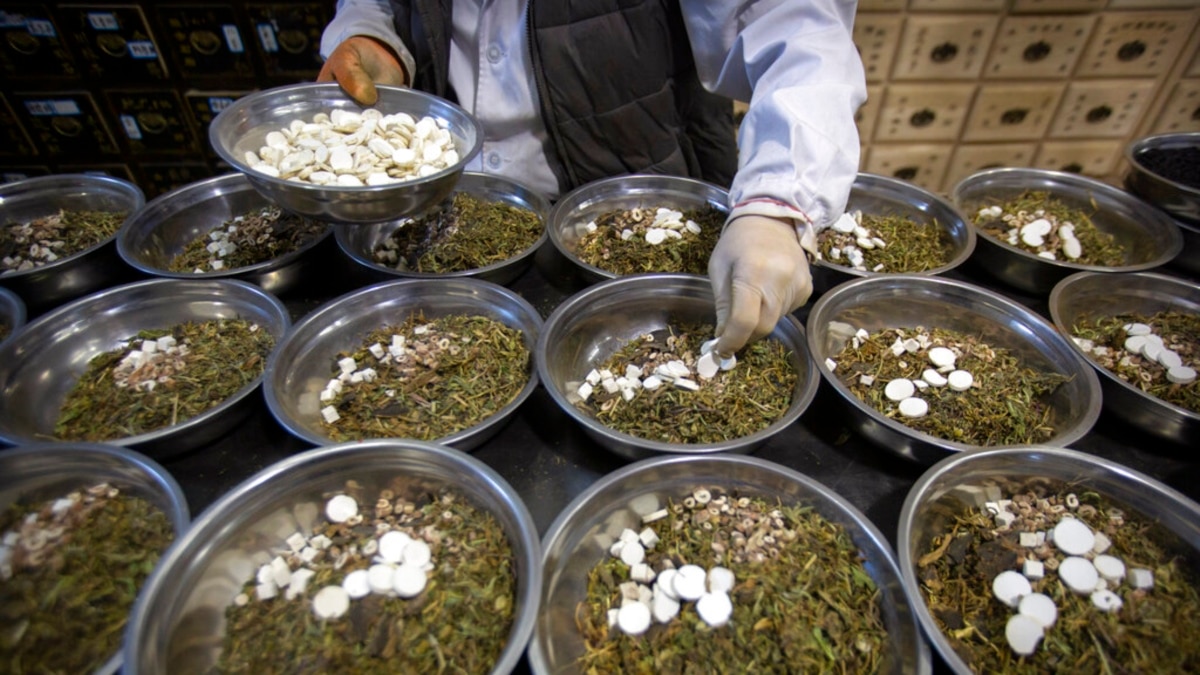
Medicinal plants are an important source of food, fibres, fuel and medicines in many
regions of the world. They have an essential role in the sustainable management of
biodiversity and contribute to human health through their beneficial effects on the
environment, the economy and social life.
Herbal and homeopathic medicines are widely used in many African countries as
primary care therapies. They are available in the form of dried and fresh plant parts
or in prepared forms, often in the form of extracts or tinctures. The sale of herbs is a
major source of income in Africa.
The practice of traditional healing is very old and a vital resource in many African
communities, particularly where there are no hospitals or medical facilities. It is used
to treat a variety of illnesses, including simple colds and fevers and more serious
problems such as cancer or tuberculosis.
Traditional healers have an excellent knowledge of medicinal plants and the
pharmaceutical properties they contain, which is why they are still used by many
communities. This knowledge is usually passed on through family members and
initiates.
Traditional medicine is an important component of community health in Africa and is
an invaluable resource for addressing the challenges of poverty and inequities in
access to mainstream health care. It can also help to increase awareness of and
adherence to conventional medicines, as it is a non-judgemental approach that is
more readily accepted by patients.
Comments are Disabled